
California has an organized judicial system responsible for interpreting laws,
resolving disputes, protecting legal rights, and administering justice
throughout the state. Whether someone is involved in a civil dispute, a
criminal case, a family matter, or another legal proceeding, understanding how
the court system works can provide useful context about the legal process.
The California court system consists of several levels, each with specific
responsibilities and authority. These include Superior Courts, Courts of
Appeal, and the California Supreme Court. Although these courts work within
the same state judicial system, they handle different types of proceedings and
legal questions.
Understanding the structure of California’s courts can help individuals become
more familiar with where cases begin, how decisions are reviewed, and what
options may be available when a party disagrees with a court ruling.
The Structure of California’s Court System
California’s judicial branch is divided into three primary levels: trial
courts, intermediate appellate courts, and the state’s highest court. Each
level performs a different function in handling legal matters.
Most cases begin in the Superior Court located in the appropriate county.
Depending on the nature of the case and the applicable legal rules, a decision
may later be reviewed by a Court of Appeal. Certain cases may eventually reach
the California Supreme Court.
This structure allows legal disputes to be examined at different stages while
establishing procedures for reviewing decisions and addressing questions
involving the interpretation of state law.

and judicial decisions take place.
1. California Superior Courts
Superior Courts are the primary trial courts in California. Each of the
state’s 58 counties has a Superior Court that handles a wide variety of legal
matters involving individuals, businesses, government entities, and other
parties.
These courts are generally where legal cases begin. Judges preside over
hearings and trials, consider evidence, interpret applicable laws, and issue
decisions based on the circumstances presented.
Superior Courts handle several major categories of cases, including:
-
Civil cases: Disputes involving contracts, property,
personal injury, financial obligations, and other legal disagreements. -
Criminal cases: Proceedings involving individuals accused
of violating state criminal laws. -
Family law cases: Matters involving divorce, child custody,
child support, and other family-related legal issues. -
Probate cases: Proceedings involving wills, estates,
guardianships, and certain conservatorship matters. -
Juvenile cases: Proceedings involving minors and matters
concerning their welfare or alleged unlawful conduct.
Superior Courts also handle traffic matters, small claims cases, and other
proceedings within their jurisdiction. The specific department or division
assigned to a case depends on the type of legal matter and local court
organization.
2. California Courts of Appeal
The Courts of Appeal are the intermediate appellate courts in California. They
review certain decisions made by Superior Courts when a party has a legal
basis to challenge the outcome of a case.
Unlike trial courts, appellate courts generally do not conduct new trials or
receive evidence in the same way that trial courts do. Instead, they examine
the existing record, written arguments, applicable legal authorities, and
other materials permitted under appellate rules.
The primary purpose of an appeal is to determine whether a significant legal
error occurred during the original proceedings and whether that error affected
the outcome in a way that warrants appellate relief.
California has six appellate districts, organized into 19 divisions. These
courts handle appeals involving various civil and criminal matters, subject to
the jurisdiction and procedural rules applicable to each case.
3. The California Supreme Court
The California Supreme Court is the highest court in the state’s judicial
system. It provides final state-level review in cases that come before it and
addresses important legal questions involving California law and the state
constitution.
The court consists of seven justices, including one Chief Justice and six
Associate Justices. Its decisions establish authoritative interpretations of
California law that lower state courts must follow.
The California Supreme Court generally has discretion over which cases it
reviews. However, certain matters, including automatic appeals in death
penalty cases under applicable law, are handled differently.
Because the Supreme Court reviews selected cases involving significant legal
questions, its decisions can have broad implications for individuals,
businesses, public agencies, and courts throughout California.
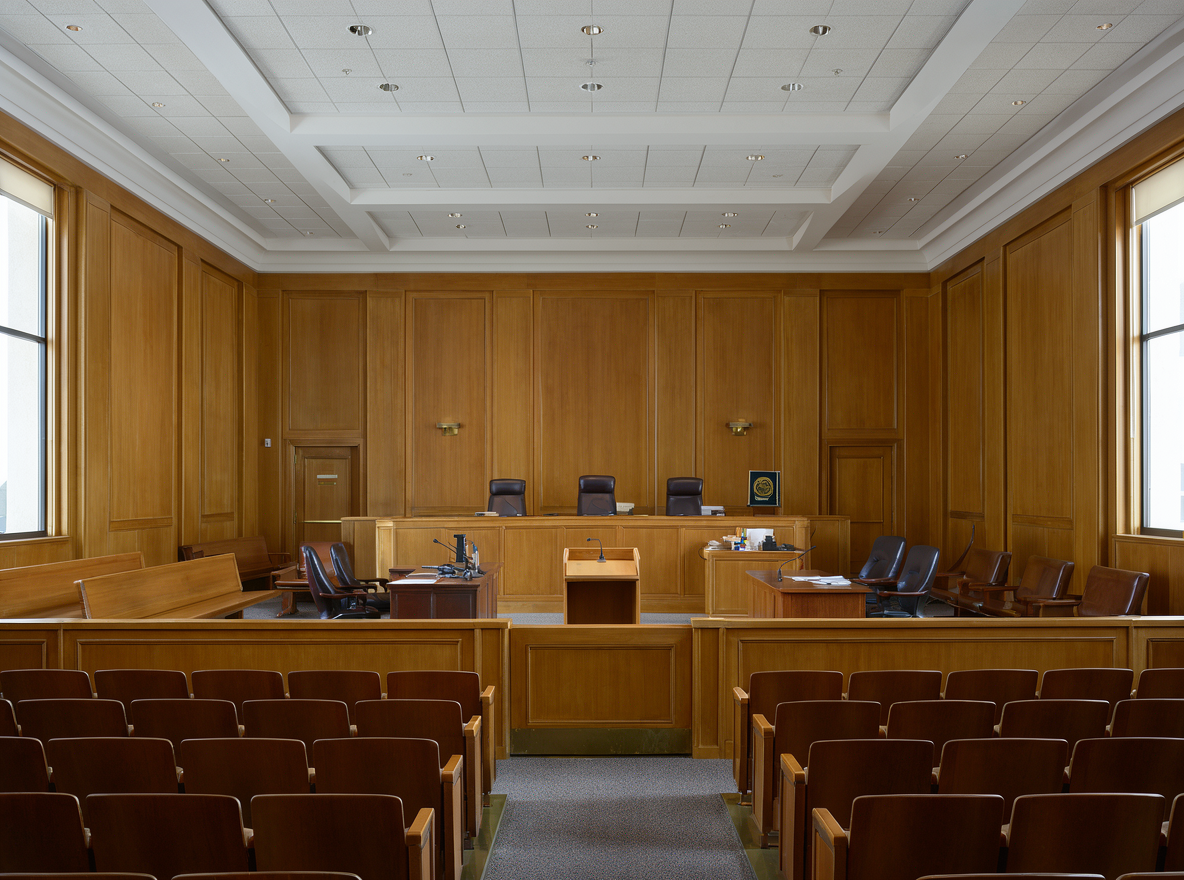
interpretations of California law.
How a Legal Case Moves Through the California Court System
The path of a legal case depends on its type, complexity, and the applicable
court procedures. However, many cases follow a general progression beginning
at the trial court level.
Filing a Case
A legal proceeding generally begins when a party files the appropriate
documents with a court that has jurisdiction over the matter. In a civil
lawsuit, for example, a plaintiff typically files a complaint explaining the
legal claims and the relief being requested.
In criminal proceedings, the case begins through the applicable charging
process, which may involve a complaint, an information, or an indictment
depending on the circumstances and legal requirements.
Hearings and Court Proceedings
After a case is initiated, the court may schedule hearings to address
procedural questions, review requests from the parties, establish deadlines,
and determine how the matter will proceed.
Depending on the case, proceedings may involve motions, conferences,
settlement discussions, evidentiary hearings, or other court appearances. Not
every case requires a full trial, as some disputes are resolved through
agreements or other legal procedures.
Trial and Court Decision
If a case proceeds to trial, the parties generally have an opportunity to
present evidence and legal arguments. Depending on the type of proceeding, the
case may be decided by a judge or a jury.
After considering the evidence and applicable law, the court issues a decision
or judgment. The result may determine legal responsibility, financial
compensation, criminal penalties, or other forms of relief depending on the
case.
Appeals and Further Review
A party who believes a significant legal error occurred may have the right to
seek appellate review. However, not every unfavorable decision automatically
qualifies for an appeal.
Appeals are subject to strict filing deadlines, procedural requirements, and
rules concerning which decisions may be reviewed. Depending on the case,
appellate review may be available through a Superior Court appellate division,
a Court of Appeal, or ultimately the California Supreme Court.
Understanding Civil and Criminal Court Cases
One important distinction within the California court system is the difference
between civil and criminal proceedings. Although both may take place in
Superior Courts, they involve different legal issues, procedures, and
standards of proof.
Civil Court Cases
Civil cases generally involve disputes between individuals, businesses,
organizations, or other parties. These proceedings often concern legal rights,
financial responsibilities, contractual obligations, or requests for
compensation.
Examples include personal injury lawsuits, property disputes, breach of
contract claims, and disagreements involving business transactions.
In many civil cases, the party bringing the claim must establish the required
elements by a preponderance of the evidence. This generally means showing that
the claim is more likely true than not, although different standards may apply
in particular proceedings.
Criminal Court Cases
Criminal proceedings involve allegations that a person violated a criminal
law. In California, criminal cases are generally prosecuted by government
attorneys representing the state or another authorized public entity.
Criminal cases may involve misdemeanors or felonies, depending on the offense
and applicable law. The proceedings can include arraignments, pretrial
hearings, motions, trials, sentencing, and other court procedures.
In criminal trials, the prosecution generally has the burden of proving the
defendant’s guilt beyond a reasonable doubt. This is a higher standard of
proof than the one commonly applied in civil cases.
State Courts and Federal Courts in California
California residents may encounter both state and federal courts. Although
both operate within California, they belong to separate judicial systems and
handle different categories of legal matters.
California state courts generally handle cases involving state laws, including
many personal injury claims, family disputes, contract disagreements, and
criminal prosecutions under California law.
Federal courts handle matters within federal jurisdiction. These may include
cases involving federal statutes, certain constitutional questions, bankruptcy
proceedings, and disputes between citizens of different states when the
applicable jurisdictional requirements are satisfied.
The appropriate court depends on the legal basis of the case, the parties
involved, and the jurisdictional rules established by federal and state law.
Why Understanding the Court System Matters
Knowing how California’s court system operates can help individuals better
understand legal proceedings and the responsibilities involved in pursuing or
responding to a legal claim.
For example, someone involved in a vehicle accident may become part of a civil
personal injury proceeding if a dispute over responsibility or compensation
develops. Understanding that such cases generally begin in Superior Court can
provide useful background about the judicial process.
Similarly, individuals involved in contract disputes, family matters, or
criminal proceedings may benefit from knowing which court handles their case
and what general procedures may apply.
Familiarity with court structure also helps readers recognize the difference
between a trial court decision and an appellate ruling, as well as the
importance of following court deadlines and procedural requirements.
Where to Find Official California Court Information
Individuals researching California court procedures can consult official
judicial resources for reliable information about court locations, case
records, forms, filing requirements, and general procedures.
-
California Courts: The official judicial branch website
provides information about the state court system, court services, self-help
resources, and legal forms. -
Superior Courts: Individual county court websites provide
local information about hearings, filing procedures, court calendars, and
case access. -
California Courts of Appeal: Official appellate court
resources provide information about appellate procedures, opinions, and
court activities. -
California Supreme Court: The court’s official website
provides access to opinions, case information, and important judicial
announcements.
For assistance with a specific lawsuit, appeal, or other legal proceeding,
consulting a qualified California attorney may be appropriate. Court self-help
resources can also provide general procedural information, although they
cannot replace individualized legal advice.
Final Thoughts
California’s court system is designed to handle a wide range of legal matters
through different levels of judicial review. Superior Courts serve as the
primary trial courts, Courts of Appeal review eligible decisions, and the
California Supreme Court addresses selected cases involving important legal
questions.
Understanding these different court levels can make the judicial process
easier to follow, particularly when dealing with civil disputes, criminal
proceedings, personal injury claims, or other legal concerns.
By becoming familiar with the structure and responsibilities of California’s
courts, individuals can develop a clearer understanding of how legal cases are
handled and where to find reliable information when questions arise.
This article is intended for general educational and informational purposes
only. It does not constitute legal advice or create an attorney-client
relationship.